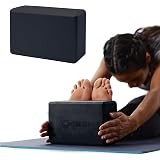
Have you ever wondered if yoga is truly a challenging workout, especially for men who typically focus on strength training or high-intensity exercise? As seen in the accompanying video, the journey of men trying yoga for the first time often reveals unexpected truths. Many approach the mat with preconceived notions. These ideas are quickly dispelled.
The experience highlights common initial struggles. Yoga for men often presents a unique set of challenges. It also offers profound benefits.
Dispelling Yoga Stereotypes for Men
A common misconception exists. Some believe yoga lacks intensity. Others see it as primarily a feminine practice. These views are often rooted in a lack of direct experience.
For example, one participant mentioned, “I do CrossFit.” He likely underestimated yoga’s demands. Many athletes, including those in strength sports, neglect flexibility. They might prioritize muscle bulk over joint mobility. This can lead to imbalances.
Another man in the video recalled refusing an eighth-grade class. Such early resistance is not uncommon. Societal norms sometimes discourage men from exploring practices like yoga. This leads to missed opportunities for holistic fitness.
Initial Challenges in Beginner Yoga for Men
The video vividly captures the immediate difficulties. These are often faced by men new to yoga. Flexibility limitations are a primary hurdle. “I feel like I’m gonna pull my hamstring,” one man exclaimed. This sentiment is widely shared.
Poses like the forward fold quickly expose tight hamstrings. These are prevalent in male populations. Years of physical activity, often without adequate stretching, contribute to this stiffness. This impacts range of motion. Balance also proves elusive. Eagle Pose, for instance, requires significant lower body stability. Core engagement is also crucial. It tests concentration.
Understanding breathwork is another new concept. “Breath of Fire” introduced rapid nasal breathing. This technique builds internal heat. It also enhances focus. It can be unfamiliar yet energizing.
Unlocking Physical Benefits: Poses Explored
The class introduced foundational yoga postures. These poses are essential for building a strong practice. They lay the groundwork for increased flexibility and strength.
Tadasana (Standing Mountain Pose)
This pose establishes proper alignment. Energy is sent downward through the feet. This grounds the body. It builds foundational awareness.
Forward Fold
Tight hamstrings are immediately challenged here. The spine is lengthened. This creates space in the vertebrae. This movement promotes flexibility in the posterior chain.
Cat and Cow Pose
Spinal mobility is a key benefit. The spine is articulated through flexion and extension. This warms the back muscles. It also improves spinal health.
Eagle Pose (Garudasana)
Balance and concentration are tested significantly. The pose involves crossing limbs. This creates a deep stretch in the shoulders and hips. Joint stability is also developed.
Chair Pose (Utkatasana)
Lower body strength is primarily targeted. The quadriceps are engaged deeply. It builds endurance in the legs. Core muscles are also activated.
An attempt at an arm balance, likely a variation of Crow Pose (Bakasana), was also made. This pose requires immense core strength. Wrist stability is also important. It signifies an advanced progression. It often takes consistent practice to achieve.
The Mental Game: Mindfulness and Focus
Beyond physical exertion, yoga cultivates mental resilience. The instructor frequently reminded participants to “stay with the breath.” This emphasizes mindfulness. It brings awareness to the present moment.
A “Drishti,” or focal point, is utilized during balancing poses. This helps maintain concentration. It prevents the mind from wandering. This mental discipline translates to other aspects of life.
The practice concluded with a meditative segment. A quartz crystal bowl was used. Its sound waves are known for their healing properties. This promotes deep relaxation. It allows for a sense of calm. The ancient greeting “Namaste” was also shared. It signifies reverence and connection.
Yoga as a Serious Workout: Beyond Expectations
The men’s reactions confirmed yoga’s physical demands. Statements like “Yoga is really hard” and “This was a little more difficult than I thought” were common. One participant emphatically stated, “People who say that yoga isn’t a workout are totally wrong.” This validates the physical intensity.
Yoga provides a comprehensive workout. It builds strength, flexibility, and balance simultaneously. It also improves cardiovascular health. Mobility is enhanced significantly. These benefits are particularly valuable for men engaged in other high-impact sports. For example, CrossFit athletes can gain injury prevention. Runners can improve their stride efficiency. Overall athletic performance is boosted.
Unrolling Your Doubts: A First Yoga Q&A
Is yoga a suitable workout for men?
Yes, the article highlights that yoga is a challenging and comprehensive workout that helps men build strength, flexibility, and balance, often dispelling initial expectations.
What are some common challenges for men new to yoga?
Men new to yoga often face immediate difficulties with flexibility, especially tight hamstrings, maintaining balance in various poses, and understanding specific breathwork techniques.
What benefits can men gain from practicing yoga?
Men can gain improved flexibility, increased strength, better balance, and enhanced mental focus and relaxation, which can also boost overall athletic performance and aid in injury prevention.
Do I need to be flexible to start yoga?
No, you do not need to be flexible to start yoga. Many beginners, particularly men, start with limited flexibility, and yoga is an excellent practice for gradually improving your range of motion.