More than one-third of adults in the United States report insufficient sleep, a concerning statistic that underscores a widespread challenge to health and well-being. Many individuals also contend with the pervasive effects of stress and anxiety, which often contribute to restless nights and a general feeling of unease. While myriad solutions are explored, gentle practices such as yoga are frequently turned to for their profound benefits in promoting yoga for deep relaxation, improved sleep, and effective stress reduction.
The accompanying video, featuring Katrina Repman and Meera Hoffman, provides a wonderful introduction to a calming yoga sequence specifically designed to alleviate tension and prepare the body and mind for restorative rest. This sequence, with its focus on slow, mindful movements and deep breathing, is an invitation to release the day’s burdens and cultivate inner tranquility. It serves as a gentle reminder that even a short, intentional practice can significantly shift one’s state of being, moving from agitation to peace.
Embracing Gentle Movement for Deep Relaxation and Stress Relief
The journey toward relaxation often commences with simple, foundational movements. As highlighted in the video, beginning with slow shoulder rolls sets a compassionate tone for the practice. This deliberate motion helps to gently wake up the often-neglected muscles of the upper back and shoulders, areas where stress is commonly stored as tightness and discomfort. It is akin to loosening the gears of an intricate clock, allowing its mechanisms to move with greater ease and fluidity. Each rotation, whether forward or backward, invites a moment of introspection, allowing any “creaks and pops” to be noticed without judgment, fostering a deeper connection with the body’s current state.
Further unwinding of the upper body is achieved through gentle neck stretches. The deliberate tilting of the head, first from side to side and then with the aid of the hand, facilitates a deeper release in the neck and trapezius muscles. The weight of the arm provides a subtle, yet effective, traction, allowing gravity to assist in elongating the muscles. This passive stretching approach helps to melt away the stiffness that can accumulate from daily activities or prolonged periods of tension. Such mindful movements are crucial steps in preparing the entire system for the deeper stages of relaxation, softening the rigid boundaries often created by stress.
Essential Props and Foundation for a Comfortable Practice
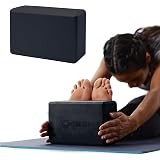
Creating a comfortable and supportive environment is paramount, especially when the goal is deep relaxation and sleep. The suggestion to use a blanket or a folded towel for cushioning under the knees is a prime example of thoughtful self-care. This simple modification can make a substantial difference, particularly for those practicing on hard surfaces or experiencing knee sensitivity. It is a practical step that enhances comfort, enabling a practitioner to fully surrender into each pose rather than being distracted by physical discomfort. The blanket acts as a buffer, a soft landing that supports the body’s delicate joints, ensuring the focus remains on the breath and internal sensations rather than external irritations.
Establishing a stable foundation on hands and knees, with hips aligned over knees and wrists beneath shoulders, is a fundamental aspect of many yoga practices. This anatomical alignment is essential for distributing weight evenly and protecting the joints. It creates a balanced starting point from which various poses can be explored safely and effectively. This stable base is not merely physical; it fosters a sense of groundedness and security, allowing the practitioner to feel supported throughout the sequence. The attention to these foundational elements prevents strain and encourages a sense of ease, which is vital for cultivating a truly restorative experience.
Unlocking Spinal Freedom with Cat-Cow Pose (Chakra Vakrasana)
The Cat-Cow pose, known in Sanskrit as Chakra Vakrasana, is a cornerstone of gentle yoga practices, particularly valued for its ability to promote spinal mobility and integrate breath with movement. As the tailbone lifts on an inhale, a gentle arch is created in the lower back, a sensation that ripples upward through the entire spine, culminating in a lifted chin and an open chest. This movement is often described as flowing like a whip, allowing the spine to articulate segment by segment, awakening its inherent flexibility. It is a truly liberating movement, one that encourages the release of stagnant energy and physical stiffness along the length of the back.
Conversely, the exhale brings a rounding of the spine, as the tailbone tucks under and the gaze softens toward the navel. This counter-movement compresses the abdominal organs, promoting internal cleansing and stimulating digestion, while stretching the muscles of the upper back. The rhythmic undulation of the spine, moving between extension and flexion, acts like a gentle massage for the entire back body. By coordinating this movement with the breath, a meditative rhythm is established, allowing the mind to quiet and the body to soften. Regularly practicing Cat-Cow can be incredibly effective in easing general back pain and improving postural awareness, contributing significantly to overall physical well-being and yoga for stress management.
Twisting Gently into Thread the Needle Pose
Thread the Needle pose offers a deeply restorative experience, providing a gentle twist for the spine and a satisfying stretch for the shoulders. From a hands-and-knees position, one arm is extended parallel to the floor, then gracefully swept underneath the opposite arm and torso, allowing the shoulder and side of the head to rest on the mat. This creates a subtle yet profound opening in the upper back and shoulder blade region, areas often burdened by tension from daily activities. The pose allows the weight of the body to settle into the earth, providing a sense of grounding and surrender.
The gentle twist facilitated by this pose also aids in detoxifying the body, metaphorically wringing out stagnant energy like a wet cloth. Breathing deeply into the belly during this pose amplifies its soothing effects, stimulating the parasympathetic nervous system, which is responsible for the body’s “rest and digest” response. As the breath deepens, the mind is encouraged to center, shifting focus from external distractions to the internal sensations of the body and the rhythmic flow of air. It becomes a sanctuary for letting go of racing thoughts and embracing a quiet stillness, a crucial step in preparing for yoga for sleep.
Grounding and Surrender with Child’s Pose
Child’s Pose, or Balasana, is often referred to as a resting pose, yet its benefits extend far beyond simple respite. It is a posture of profound surrender and introspection, inviting the practitioner to fold inward and connect with the earth. By widening the knees and bringing the big toes together, a stable and comforting base is created, allowing the torso to nestle between the thighs and the forehead to rest gently on the mat. This action immediately triggers a sense of calm, as the head is lowered below the heart, signaling to the nervous system that it is safe to relax.
In Child’s Pose, the arms can be stretched forward, lengthening the spine and shoulders, or relaxed alongside the body, emphasizing complete surrender. The latter option, with arms draped loosely, allows the shoulder blades to release their weight into the ground, fostering a sense of complete letting go. This pose provides a gentle compression of the internal organs, which can be soothing, while also gently stretching the hips, thighs, and ankles. It is an invitation to retreat from the external world, to find solace in the quiet embrace of one’s own body, offering a deeply grounding experience vital for yoga for insomnia relief and mental clarity.
Opening the Shoulders with a Supine Stretch
Transitioning onto the belly for a close-to-the-ground shoulder opener provides another opportunity for unwinding and releasing tension. This particular stretch is a powerful yet gentle way to address tightness in the chest and shoulders, often areas where emotional and physical stress accumulate. With one arm extended out to the side in a “T” shape and the body gently rolled onto that side, a deep, sustained stretch is experienced across the front of the chest and the shoulder joint. This slow, deliberate movement keeps the body close to the earth, enhancing feelings of security and stability.
The addition of bending the opposite knee and placing the sole of the foot on the ground further grounds the body and can deepen the stretch, depending on individual flexibility. In this position, deep, full breaths are encouraged, allowing the chest to expand with each inhale and the organs to be gently compressed with each exhale. This rhythmic breathing acts as a subtle internal massage, promoting circulation and encouraging further release of tension. The pose is a metaphor for shedding a heavy cloak, allowing the shoulders to soften and their weight to dissolve into the ground. It facilitates a full-body scan, prompting relaxation from the neck down to the toes, a systematic approach to achieving yoga for anxiety reduction and holistic well-being.
Deep Relaxation Dialogue: Your Yoga Questions for Sleep and Serenity
What is this yoga routine designed for?
This gentle yoga routine is designed to help you find deep relaxation, improve your sleep, and relieve anxiety and stress. It aims to unwind both your body and mind for a more peaceful state.
Do I need any special equipment to start this yoga?
No special equipment is required, but it’s recommended to use a blanket or folded towel for cushioning under your knees to enhance comfort during the practice.
What types of movements are included in this beginner yoga sequence?
This sequence focuses on slow, mindful movements and deep breathing, including gentle shoulder rolls, neck stretches, and poses like Cat-Cow and Child’s Pose, to release tension.
How can this yoga practice help with stress or sleep problems?
By focusing on gentle movements and deep breathing, this yoga helps calm your nervous system, reduces physical tension, and prepares your body and mind for restorative rest, aiding in stress relief and better sleep.