Unlocking Deep Hip Flexibility: Your Guide to Mastering Split Leg Stretches
Do you ever feel a persistent tightness in your hips, especially after long hours of sitting? Perhaps you’ve noticed your yoga poses feel restricted, or simple movements cause discomfort. Many people experience this stiffness; studies suggest that a significant percentage of adults, particularly those with desk jobs, suffer from limited hip mobility. The good news is that targeted stretching can make a profound difference. As you saw in the video above, achieving greater hip flexibility through an easy yoga flow is entirely possible.
Our hips are the central hub of movement, connecting the upper and lower body. When they become stiff or tight, it impacts everything from our posture to our athletic performance. This comprehensive guide will delve deeper into the importance of hip mobility, explore specific yoga stretches for cultivating deep hip opening, and provide actionable strategies to safely progress towards impressive split leg flexibility.
The Profound Benefits of Prioritizing Hip Flexibility
Improving hip flexibility offers a cascade of advantages beyond just touching your toes. Enhanced range of motion in the hips is a cornerstone of overall physical well-being. Think of your hips as crucial shock absorbers and power generators for your body. When they are fluid and strong, your entire kinetic chain benefits.
For instance, increased hip mobility directly contributes to alleviating common complaints like lower back pain. Tight hip flexors, often exacerbated by a sedentary lifestyle, pull on the pelvis, creating an anterior tilt that strains the lumbar spine. Research indicates that targeted hip stretching can significantly reduce this strain. Athletes also experience a notable boost: greater hip extension and rotation improve power in movements like running, jumping, and squatting, reducing the risk of hamstring strains and groin injuries.
Moreover, improved flexibility fosters better posture and balance. Your hips play a pivotal role in stabilizing your core. Strong, mobile hips allow your pelvis to sit in a neutral position, which supports spinal alignment. This, in turn, can prevent future musculoskeletal issues and improve your body’s overall efficiency in daily activities.
Decoding Hip Stiffness: What Causes It?
Before we dive into solutions, understanding the root causes of tight hips is essential. Our modern lifestyles are often the primary culprit. Prolonged sitting is a major contributor, shortening the hip flexor muscles (iliopsoas, rectus femoris) and making them rigid. This muscle imbalance can pull the pelvis forward, affecting posture and potentially leading to discomfort.
Beyond sedentary habits, muscular imbalances often develop from repetitive movements or lack of varied activity. For example, runners might have strong but tight hamstrings, while cyclists can develop very strong but short hip flexors. Neglecting proper stretching and strengthening can exacerbate these issues. Tightness in key muscle groups like the hamstrings, glutes, and adductors (inner thigh muscles) further restricts the hip joint’s natural range of motion, hindering movements like those required for split leg stretches.
Essential Yoga Poses for Deep Hip Opening and Split Leg Flexibility
The journey to enhanced hip flexibility is a gradual one, built upon consistent practice of specific stretches. These yoga-inspired poses target various muscle groups around the hip joint, systematically improving your range of motion. Remember to move slowly and never force a stretch; listen to your body and honor its boundaries.
Pigeon Pose (Eka Pada Rajakapotasana Variation)
This pose is a powerful external hip opener, deeply stretching the glutes and outer hip rotator muscles. Begin on all fours, then bring your right knee forward towards your right wrist, placing your right ankle near your left hip (or closer to your right wrist for a deeper stretch). Extend your left leg straight back. You can stay upright or fold forward over your front leg. Hold for 1-2 minutes per side, focusing on releasing tension in the hip.
Lizard Pose (Utthan Pristhasana)
Lizard Pose effectively targets the hip flexors and inner thighs. From a low lunge with your right foot forward, place both hands inside your right foot. You can stay on your hands, lower onto your forearms, or even place a block under your forearms for support. Allow your right knee to open to the side if comfortable. This pose is particularly effective for preparing the body for split leg variations.
Frog Pose (Mandukasana)
Frog Pose is an intense inner thigh and groin opener. Start on all fours, then slowly widen your knees as far as comfortable, keeping your ankles in line with your knees and your feet flexed. Lower onto your forearms, maintaining your hips in line with your knees. The stretch here is deep and focuses on the adductor muscles. This pose significantly aids in improving side-to-side split flexibility.
Half Split (Ardha Hanumanasana)
This pose is excellent for stretching the hamstrings and calves, crucial components for achieving full splits. From a low lunge with your right foot forward, shift your hips back, straightening your right leg. Flex your right foot, lifting your toes towards the ceiling. Fold over your straight leg, keeping your spine long. You will feel a strong stretch along the back of your leg. This directly contributes to front split capabilities.
Wide-Legged Forward Fold (Prasarita Padottanasana)
This pose stretches the hamstrings and inner thighs. Stand with your feet wide apart (about 3-4 feet), toes pointing forward or slightly in. Hinge at your hips, folding forward, placing your hands on the floor, blocks, or grabbing your ankles. This pose helps to lengthen the muscles needed for both front and side splits. It also gently decompresses the spine.
Mastering Your Split Leg Stretches: Tips for Safe Progress
Achieving a full split, whether front or side, is a testament to consistent effort and proper technique. Here are some data-driven strategies to help you progress safely and effectively in your pursuit of impressive split leg flexibility:
- Warm-Up Thoroughly: Always begin your flexibility training with a 10-15 minute warm-up. This could include light cardio, dynamic stretches like leg swings, or a short yoga flow. Warming up increases blood flow to the muscles, making them more pliable and less prone to injury.
- Consistency is Key: Regular practice yields better results than infrequent, intense sessions. Aim for 3-5 flexibility sessions per week, even if they are only 15-20 minutes long. Studies show that consistent, short duration stretching can be more effective than sporadic, longer sessions.
- Embrace Your Breath: Use deep, conscious breathing to help relax your muscles. Inhale to lengthen your spine, and exhale to deepen into the stretch. This mindful approach signals to your nervous system that it’s safe to release tension.
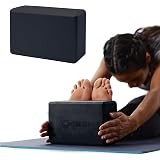
- Utilize Props: Yoga blocks, straps, and blankets are your best friends. Blocks can support your hands in forward folds or under your hips in Pigeon Pose, allowing you to maintain proper alignment and deepen the stretch safely. A strap can help extend your reach for hamstring stretches.
- Listen to Your Body: Never push into sharp pain. A mild, comfortable stretch is effective; pain indicates that you are overstretching or risking injury. Flexibility gains happen over time, not through force. Respect your body’s current limits and celebrate small improvements.
- Dynamic vs. Static: Incorporate both dynamic stretches (moving in and out of a stretch) as part of your warm-up, and static stretches (holding a stretch for 30-60 seconds) during your main flexibility session. Both contribute differently to increasing range of motion.
Integrating Hip Stretches into Your Daily Routine
Making hip flexibility a priority does not require hours of dedication. You can integrate these stretches into various parts of your day. Start your morning with a few minutes of gentle hip openers. Take short stretching breaks during your workday to counteract prolonged sitting. Dedicate 15-20 minutes a few evenings a week to a more focused hip and split leg flexibility routine, perhaps following a workout or before bed.
Consider journaling your progress, noting how your body feels and any improvements in range of motion. Visualizing your progress can be highly motivating. Remember, building lasting hip flexibility is a journey of self-discovery and patience. Consistent effort will undoubtedly lead to profound changes in your mobility and overall well-being.
Deepening Your Yoga: A Hip & Split Leg Flexibility Q&A
What is hip flexibility and why is it important?
Hip flexibility refers to the range of motion in your hip joint, which connects your upper and lower body. Improving it can help alleviate lower back pain, enhance athletic performance, and improve posture and balance.
What commonly causes hips to become stiff or tight?
Prolonged sitting is a major cause, as it shortens hip flexor muscles. Muscular imbalances from repetitive movements or lack of varied activity also contribute to hip stiffness.
How can I start to improve my hip flexibility?
You can begin by practicing targeted yoga stretches that focus on deep hip opening. Poses like Pigeon Pose, Lizard Pose, and Half Split are excellent for this.
What are some key tips for stretching safely to improve hip flexibility?
Always warm up thoroughly before stretching and practice consistently for best results. It’s important to listen to your body, never push into sharp pain, and use props like yoga blocks for support.