Are your mornings often met with stiffness, a lack of energy, or perhaps a desire to cultivate better posture? The 15-minute morning yoga routine presented in the accompanying video is designed to address these very concerns, offering a gentle yet invigorating start to your day. This supplementary guide will delve deeper into the benefits and specific techniques observed in the routine, providing a comprehensive understanding of how each posture contributes to overall well-being and a more energized, aligned body.
The Foundational Benefits of a Morning Yoga Routine
Engaging in a dedicated yoga practice each morning has been shown to yield numerous physiological and psychological advantages. This specific routine is carefully constructed to transition the body from sleep to an active state, fostering both physical and mental readiness for the day ahead. The primary objectives, as demonstrated, include the alleviation of morning stiffness, a substantial boost in energy levels, and progressive improvement in postural alignment.
According to various health studies, regular yoga practice has been associated with enhanced flexibility, increased muscle strength and tone, and improved respiration, energy, and vitality. Furthermore, a consistent routine can contribute to a balanced metabolism, weight reduction, and cardiovascular health. For those experiencing chronic back pain, specific yoga postures can also provide significant relief, a benefit often sought after by individuals struggling with morning discomfort.
Essential Props for Enhanced Practice
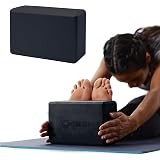
For optimal execution and accessibility within this routine, certain yoga props are recommended. The use of two yoga blocks, or suitable household alternatives such as foam rollers, sturdy water bottles, or even a low coffee table, is advised. These items effectively “bring the ground up to you,” facilitating deeper stretches and more comfortable alignment, particularly for individuals with tighter hamstrings or shoulders. Similarly, a yoga strap, or a substitute like a belt, dog leash, or t-shirt, is utilized to aid in extending reach and deepening stretches, especially beneficial for enhancing shoulder mobility and flexibility.
Detailed Exploration of Morning Yoga Postures
The routine systematically progresses through a series of postures, each with a distinct purpose, designed to gradually awaken the body and mind. The integration of breath with movement is emphasized throughout, establishing a mindful connection that supports both physical exertion and mental clarity.
1. Puppy Pose: Gentle Shoulder and Spine Release
The practice commences with Puppy Pose, a gentle yet profound chest and shoulder opener. This posture is initiated from a prone position, with hands placed on blocks (or alternatives) to elevate the floor, and the hips positioned above the knees. A sensation of stretching is primarily directed through the shoulders as the hips are drawn away from the hands. Deep, nasal breathing is employed, with exhales used to engage the abdominal muscles, thereby activating the core, and inhales utilized to lengthen the body and deepen the stretch. This pose is particularly effective in addressing tension accumulated overnight, preparing the upper body for further movement.
2. Cat-Cow Stretch: Spinal Mobility and Awareness
Following Puppy Pose, the transition to Cat-Cow is made. This sequence is a fundamental spinal mobility exercise, crucial for warming up the spine and improving its flexibility. Hands are positioned beneath the shoulders and knees beneath the hips. As inhalation occurs, the back is arched, the chest is drawn forward, and the gaze is lifted. Conversely, upon exhalation, the spine is rounded towards the ceiling, the chin is tucked, and the gaze is directed towards the navel. This rhythmic movement, coordinated with breath, serves as an excellent warm-up for any physical activity, including running or weight training, and is observed to significantly reduce the risk of injury due to enhanced spinal fluidity.
3. Low Lunge with Backbend: Hip Flexor and Chest Opening
The routine then introduces the Low Lunge with a subtle backbend, which targets the hip flexors and chest. With a front foot placed between blocks and the back toes tucked for stability, the hips are squared forward. Engagement of the back leg is encouraged, optionally by hovering the back knee briefly to ensure thigh and glute activation. Arms are then extended into a ‘Y’ shape, fostering a gentle backbend. This variation is highly beneficial for opening the chest, which is known to invigorate the body and boost energy levels, making it an ideal component of a morning yoga routine. Attention is drawn to lengthening the spine on inhales and deepening the stretch on exhales, while avoiding any pinching sensation in the lower back.
4. Standing Side Bend with Strap: Lateral Flexibility and Shoulder Mobility
Transitioning to a standing position, the Standing Side Bend is performed with a strap. This posture emphasizes lateral flexion of the spine and improvement in shoulder mobility. The strap, held at shoulder-width distance (or wider for tighter shoulders), allows for a controlled stretch. As the body leans to one side, the hips are pressed in the opposite direction, creating a substantial stretch along the entire side body. This movement actively engages the core and thighs, promoting stability while simultaneously decompressing the spine. Adjustments to the strap width are suggested to accommodate individual shoulder flexibility, ensuring a safe and effective stretch.
5. Mountain Pose: Grounding and Postural Alignment
Mountain Pose serves as a grounding posture, establishing a neutral and elongated spinal alignment. Feet are positioned either together with heels slightly apart, or six inches apart, depending on comfort. Palms face forward, and the body is elongated by lifting the ribs away from the hips and extending the crown of the head towards the ceiling. Deep, controlled breathing in this pose helps to cultivate internal awareness and reinforce correct posture, which is a critical aspect of daily functional movement.
6. Squat Hold (Chair Pose Modification): Lower Body Strength and Core Stability
A modified Chair Pose, or Squat Hold, is incorporated to build lower body strength and core stability. With feet hip-width apart and knees slightly bent, the hips are driven down and back as if sitting into an imaginary chair. The weight is deliberately shifted into the hips to activate the glutes. Arms are extended forward or overhead for an increased challenge. This posture is highly effective for strengthening the glutes and thighs, which are integral for maintaining proper posture and supporting the lower back throughout the day. It is noted that the activation of glutes may require conscious effort and practice for some individuals.
7. Standing Backbend: Energy Boost and Chest Expansion
The Standing Backbend is presented as a powerful energy-boosting posture. From a standing position, arms are opened into a ‘Y’ shape and squeezed back, lifting the chest towards the ceiling. The intention is to create length through the spine and open the chest, which is recognized as a key element in stimulating energy. This pose not only contributes to postural improvement by counteracting slouching but also provides a significant energetic lift, aligning perfectly with the goal of an invigorating morning yoga routine.
8. Wide-Legged Squat with Lateral Lunges: Inner Thighs and Hip Mobility
Transitioning into a wide-legged stance with toes slightly turned in, the routine incorporates lateral lunges. The chest is pulled forward as a hinge occurs at the hips, maintaining a flat back. From this position, alternating bends into each knee are performed, stretching the inner thighs and improving hip mobility. This movement, synchronized with the breath, is acknowledged for its capacity to enhance mental focus and physical awareness, making it a beneficial exercise for both body and mind.
9. Warrior II: Strength, Balance, and Focus
Warrior II is a powerful standing pose that builds strength in the legs and core while improving balance and focus. One foot faces forward, the other slightly outward, with the front knee bent directly over the ankle. Hips remain open to the side, and arms are extended in opposite directions, gazing over the front middle finger. This pose actively engages the thighs and glutes, strengthening the lower body while requiring mental concentration to maintain alignment and stability. The internal rotation of the back hip into the front hip is a crucial alignment cue for optimal engagement.
10. Side Angle Pose: Deep Hip, Groin, and Chest Opening
Following Warrior II, Side Angle Pose is introduced. The front hand is placed lightly on a block (or fingertips on the floor) inside the front foot, while the opposite arm reaches upwards and then squeezes back, opening the chest further. This posture deeply opens the groin, challenges the core, and significantly expands the chest, which, as previously mentioned, is highly effective for generating energy. The instruction emphasizes growing in all directions—lifting the head away from the back foot and reaching the top arm back—to maximize the length and stretch achieved in the posture.
11. Plank Pose: Core Strength and Full Body Engagement
As the routine nears its conclusion, Plank Pose is incorporated. This fundamental exercise demands full-body engagement, particularly of the core muscles. Hands are positioned directly under the shoulders, and the body forms a straight line from head to heels. Emphasis is placed on squeezing the hands and feet towards each other and lifting the navel towards the spine. Plank is invaluable for developing core strength, which underpins all other physical activities and is crucial for maintaining a healthy posture. It is a brief yet intense hold, requiring sustained focus.
12. Cobra Pose: Gentle Backbend and Chest Opening
From Plank, a transition is made to Cobra Pose, a gentle backbend. Lying prone, the tops of the feet are pressed down, thighs are engaged, and the chest is lifted forward and up, drawing the shoulder blades together and down. The abdominal muscles are actively squeezed, and the head is pressed away from the shoulders, protecting the neck. Cobra is excellent for strengthening the back muscles, opening the chest, and improving spinal flexibility, contributing to an overall sense of vitality and improved postural integrity.
13. Standing One-Leg Balance with Extended Leg: Balance and Stability
The final posture is a Standing One-Leg Balance with the leg extended forward, an advanced balance challenge. Beginning with one knee lifted to hip level, the leg is then extended forward, optionally with the heel initially on the ground for support. The standing leg is kept straight, with emphasis on pressing down through the heel and attempting to draw the hip closer to the ground to stabilize. Arms are lifted for an added challenge. This pose significantly enhances balance, core strength, and proprioception, which are critical for preventing falls and maintaining mobility as one ages. The consistent execution of such balancing poses can lead to noticeable improvements in overall stability and coordination, serving as an excellent conclusion to the morning yoga routine.
Unwinding Your Morning Yoga Queries
What is this morning yoga routine designed to help me with?
This 15-minute morning yoga routine is designed to help improve your posture, boost your energy, and relieve any morning stiffness you might feel.
How long does this morning yoga routine take?
This beginner-friendly yoga routine is designed to be quick and efficient, taking only 15 minutes to complete each morning.
Do I need special equipment to do this yoga routine?
While yoga blocks and a strap are recommended for best practice, you can use common household items as alternatives, such as sturdy water bottles or a belt.
What are the general benefits of doing yoga in the morning?
Engaging in morning yoga can help you transition from sleep to an active state, reducing stiffness, boosting your energy levels, and improving your overall posture.