Unlocking “Lower Back Love”: Gentle Yoga for Lasting Comfort
Finding comfort and strength in your lower back is a journey, not a destination. As demonstrated in the video above, a focused yoga practice can offer profound relief and build resilience. This approach is not merely about stretching; it’s about cultivating a deeper connection with your body, understanding its signals, and nurturing areas that often bear the brunt of daily life.
Many individuals experience lower back pain due to various factors, including prolonged sitting, strenuous activities, or even stress. Gentle, mindful movement, as explored in this session, serves as a powerful antidote. It helps to release tension, improve spinal mobility, and activate the core muscles essential for robust back support.
Understanding Your Lower Back: A Foundation for Healing
The lower back, or lumbar spine, is a marvel of engineering, designed for both stability and flexibility. It supports the weight of your upper body and facilitates a wide range of movements, from bending to twisting. However, this crucial area can also be susceptible to strain and discomfort when its supporting structures, like the core muscles and hips, are weak or tight.
Think of your lower back as the foundation of a house. If the foundation is unstable, cracks can appear in the walls above. Similarly, when your core muscles are not engaged, or your hips lack flexibility, your lower back can become overworked and painful. A holistic yoga practice addresses these interconnected areas, creating a more balanced and supportive system for your spine.
Beginning Your Practice: The Power of Presence
As Adriene suggests, starting on your back allows you to ground yourself and observe without judgment. The simple act of lying flat, perhaps with a blanket or towel under your head for comfort, initiates a process of inward turning. This initial pause is a cornerstone of yoga, inviting you to tune into your breath and the subtle sensations of your body.
Your yoga mat, in this context, acts like a trusted friend, literally rising to meet you as you settle in. This metaphor emphasizes the support available to you, both from your practice and your environment. Moreover, deep, conscious breathing becomes a powerful tool, calming the nervous system and preparing your body for gentle movement.
Gentle Pelvic Tilts: Awakening Spinal Mobility
One of the first movements introduced is the pelvic tilt, a subtle yet incredibly effective exercise for lower back health. With knees bent and feet on the floor, you gently rock your pelvis, first flattening your lower back against the mat, then allowing a natural arch to form. This movement is like a slow-motion dance for your sacrum and lumbar spine.
Pelvic tilts help to improve the articulation of individual vertebrae, enhancing spinal mobility. They also bring awareness to the engagement of your lower abdominal muscles as you press your back down, creating a natural corset of support. Practicing these tilts slowly, synchronized with your breath, can significantly reduce stiffness and increase comfort in your lumbar region.
Core Engagement: Your Body’s Natural Support System
The concept of “turning on your center” is paramount for lower back love. This refers primarily to engaging your transverse abdominals, deep core muscles that wrap around your torso like a wide belt. Unlike superficial “six-pack” muscles, the transverse abdominals stabilize your spine and pelvis, offering crucial support to your lower back.
When you lift your knees, keeping the lower back flush with the mat, you actively engage these muscles. This activation is not about crunching; it’s about a subtle drawing-in sensation, as if you’re gently hugging your spine with your core. A strong and responsive core is a cornerstone of preventing and alleviating lower back pain, acting as a sturdy anchor for your entire torso.
Exploring Gentle Stretches and Twists
The practice then progresses into a series of gentle movements designed to release tension and improve flexibility. These are not just isolated stretches; they are interconnected actions that work synergistically to bring balance to your body.
Knees-to-Chest Hug: A Soothing Release
Hugging your knees into your chest provides a comforting and elongating stretch for the lower back. This pose gently decompresses the lumbar spine and can feel incredibly soothing, especially after a long day. Adding a subtle side-to-side rock enhances the effect, offering a gentle massage to the muscles surrounding the spine.
For those seeking a bit more, lifting the head towards the knees can further engage the core, while remaining mindful of neck comfort. This pose embodies the principle of listening to your body, adjusting the intensity to suit your current needs, whether for deep release or gentle activation.
Supine Spinal Twists: Unraveling Tension
The supine spinal twist, where you cross one leg over and gently allow both legs to fall to one side, is a fantastic way to restore rotational mobility to the spine. This movement helps to release tension in the paraspinal muscles, which often become tight and stiff. Imagine your spine as a coiled spring; gentle twists help to unwind and re-energize it.
Bringing your breath deeply into your belly during these twists enhances their therapeutic effect. The internal massage of the organs can also stimulate digestion, and the release of tension in the back contributes to an overall sense of relaxation. Remember to move with momentum, allowing the body to naturally fold, rather than forcing into a pose.
Connecting Movement and Breath: The Yogic Principle
Throughout the practice, Adriene emphasizes the importance of breath. This is more than just oxygen intake; it’s a vital connection to your internal state and a powerful tool for deepening your practice. Using your breath to “stretch the skin of your back body” is a profound instruction.
Inhaling can create space and length, while exhaling can help you soften and release into a stretch. This conscious breathing also activates the parasympathetic nervous system, promoting relaxation and reducing pain perception. Integrating breath with every movement transforms a physical exercise into a moving meditation, enhancing both physical and mental well-being.
Incorporating Props: Enhancing Comfort and Depth
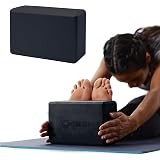
The use of a thick towel or small blanket throughout the practice highlights the adaptability of yoga. Props are not crutches; they are tools that allow you to modify poses to suit your body’s unique structure and current needs. Whether as a pillow for your head, under your hips for a seated lift, or beneath a knee for cushioning, props enhance comfort and facilitate deeper, safer stretches.
For instance, placing a blanket under the hips in a seated position, such as Siddhasana (easy seated pose), elevates the pelvis, allowing the spine to lengthen more naturally. This small adjustment can significantly alleviate pressure on the lower back and improve posture, making seated meditation or stretching more accessible and comfortable.
Moving from Your Center: A Mindful Approach to Life
Adriene beautifully articulates the concept of “moving from your center of gravity.” This isn’t just about abdominal strength during yoga; it’s a fundamental shift in how you navigate everyday life. When you consistently engage your core, even in simple actions like picking up a sock, you protect your lower back by distributing the load more efficiently.
This mindful approach transforms mundane tasks into opportunities for self-care. It means that bending, lifting, and twisting are performed with conscious awareness of your core support, much like an expert dancer moves with fluidity and control. This continuous practice of engaging your center builds an intuitive body intelligence that profoundly benefits your lower back health in the long term.
Restorative Poses for Integration and Calm
The practice concludes with restorative poses like Child’s Pose (Balasana) and a gentle Sphinx. These poses are crucial for integrating the benefits of the movements and for calming the nervous system. Child’s Pose offers a gentle stretch for the hips, thighs, and lower back, while encouraging introspection and deep relaxation.
In Sphinx pose, with elbows underneath the shoulders and the left hip on a blanket, a gentle backbend is introduced. This mild extension counteracts the effects of prolonged forward slouching, helping to restore the natural curve of the lumbar spine. These restorative moments allow your body to absorb the work, promoting deeper healing and a sense of peaceful release. Prioritizing these moments of quiet surrender is just as vital as the active movements for maintaining lower back love and overall well-being.
Unlock Your Lower Back Love: Your Yoga Questions Answered
What is “Lower Back Love” yoga?
“Lower Back Love” is a gentle yoga practice designed to help relieve lower back pain and stiffness. It focuses on mindful movements to strengthen your core and improve flexibility.
Why is my lower back hurting?
Your lower back might hurt due to factors like prolonged sitting, strenuous activities, stress, or if your core muscles and hips are weak or tight.
How does this yoga help my lower back?
This yoga helps by releasing tension, improving how easily your spine moves, and activating core muscles that provide crucial support to your lower back.
What kind of movements can I expect in a “Lower Back Love” yoga session?
You can expect gentle movements like pelvic tilts, engaging your core, and soft stretches such as hugging your knees to your chest and gentle spinal twists.