Cultivating Inner Harmony: Deconstructing Your Rebalancing Yoga Flow
The tranquil 20-minute yoga session presented above, steeped in a “Laid-Back Island Vibe” from Koh Kood, serves as a potent antidote to the daily grind. This **relaxing yoga flow** is expertly crafted not merely as a sequence of poses, but as a holistic practice designed to profoundly rebalance and recharge both mind and body. While the video skillfully guides practitioners through each asana, understanding the deeper physiological and psychological intentions behind these movements can amplify their transformative power. This practice is exceptionally versatile. Whether you seek a restorative session after an intense cardio challenge or a Brazilian butt lift workout, or simply need a dedicated moment for self-care, this **rebalancing yoga flow** provides targeted relief and renewed vitality. It’s a journey into somatic awareness, inviting practitioners to release accumulated physical tension and mental chatter, fostering a profound sense of inner peace.The Foundation: Grounding Through Seated Poses and Gentle Openers
The journey into this restorative practice begins, appropriately, from a grounded seated position. This initial phase emphasizes breathwork and gentle spinal articulation, setting a mindful tone for the entire **yoga flow**. 1. **Centered Breathing:** Starting cross-legged allows for immediate introspection. Deep inhalations and complete exhalations are not just physical acts; they serve as an anchor, drawing awareness inward and signaling to the nervous system that it’s time to unwind. This foundational breathwork primes the body for deeper stretches and mental calm. 2. **Neck and Side Body Release:** The subtle yet effective neck stretch, bringing the ear to the shoulder with gentle assistance, targets a common area of tension. This is followed by a side stretch, which lengthens the intercostal muscles and obliques, facilitating deeper breathing and releasing fascial restrictions. This systematic approach to unwinding superficial tension prepares the deeper structures for activation. 3. **Anterior Fold and Puppy Pose Transition:** Moving into a forward fold from seated allows for a surrender, gently decompressing the lumbar spine and stretching the hamstrings. Transitioning to Puppy Pose (Anahatasana) then shifts the focus to the anterior torso. This heart-opening posture, with hips stacked over knees and chest melting towards the mat, offers a profound stretch for the chest, shoulders, and upper back. It’s a powerful pose for releasing emotional constriction often held in the chest area, fostering both physical and energetic openness. The inclusion of Baby Cobra (Bhujangasana preparation) intersperses gentle spinal extension, promoting mobility and strength in the posterior chain.Building Heat and Releasing Tension: Dynamic Transitions and Core Engagement
As the practice unfolds, a dynamic sequence of familiar yet potent poses builds warmth and further releases stubborn tension, integrating core stability with fluid movement. 1. **Downward Facing Dog (Adho Mukha Svanasana) and Variations:** This quintessential inversion serves multiple purposes: lengthening the entire posterior chain, decompressing the spine, and invigorating the body by sending fresh blood to the brain. “Walking it out” on the spot is a practical modification, allowing for gradual hamstring and calf release, acknowledging the diverse flexibility levels of practitioners. The specific instruction to “walk your feet out a little further” suggests a wider base for increased stability and deeper engagement in subsequent movements. 2. **Twisted Downward Dog:** Reaching for the opposite knee or ankle in Downward Dog introduces a potent spinal twist. This rotation aids in detoxifying the internal organs and improving spinal mobility. The expert application of this twist allows for targeted release in the thoracic spine, an area often rigid due to sedentary habits. 3. **Vinyasa Flow – Chaturanga to Upward Dog:** The classic Vinyasa sequence—Plank, Chaturanga Dandasana, Upward Facing Dog (Urdhva Mukha Svanasana), and back to Downward Facing Dog—is a cornerstone of many dynamic yoga practices. It builds significant core strength, upper body endurance, and spinal flexibility. Chaturanga, a challenging pose, hones proprioception and requires precise engagement of the deltoids and triceps, transitioning smoothly into the expansive heart-opener of Upward Dog. This rhythmic pulsation through the spine creates a vibrant energy within the body, characteristic of a well-rounded **recharge yoga** session.Expanding Your Horizon: Mastering Standing Postures and Hip Mobility
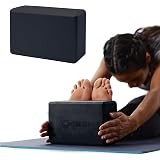
The standing sequence of this **relaxing yoga flow** challenges balance and stability while deeply opening major joint complexes, particularly the hips and hamstrings. 1. **Standing Forward Fold (Uttanasana) and Neck Release:** Transitioning to the top of the mat for Uttanasana, the emphasis on interlacing fingers behind the head for a neck release highlights the holistic nature of the practice. By gently rocking side-to-side, practitioners can release tension radiating from the cervical spine, often connected to broader patterns of stress. The variations for deepening the fold – grabbing toes, ankles, or knees – demonstrate a nuanced understanding of anatomical variations, encouraging personalized alignment. 2. **Lunge Variations and Half Splits:** The series of lunges (Low Lunge, High Lunge, Twisted High Lunge) are pivotal for enhancing hip flexor and hamstring flexibility, vital for both athletic performance and everyday movement. Extending the front knee in a lunge offers a dynamic hamstring stretch, while Half Split (Ardha Hanumanasana) provides a more sustained, deep stretch to the hamstring and calf of the front leg. The recommendation of blocks for support further underscores the adaptability of this practice, making deeper stretches accessible without compromising form. Flexing the front foot in Half Split intensifies the stretch along the posterior chain, targeting the sciatic nerve pathway. 3. **Warrior, Triangle, and Extended Side Angle Sequence:** This powerful trinity of standing poses builds stability, strength, and expansive opening. Warrior II (Virabhadrasana II) establishes a strong foundation and opens the hips. Peaceful Warrior (Viparita Virabhadrasana) lengthens the side body and provides a gentle backbend. Triangle Pose (Trikonasana) extends the hamstrings and side body, promoting spinal lengthening and internal organ massage. Extended Side Angle (Utthita Parsvakonasana) further deepens the side body stretch and strengthens the legs. The emphasis on “stacking shoulders, stacking hips” in Triangle Pose reveals a keen focus on optimal anatomical alignment, maximizing benefits and minimizing strain. 4. **Deep Hip Openers: Inner Thigh Stretch and Side Lunge:** The sequence skillfully progresses to even deeper hip opening postures. Pushing the knee away in a low lunge variation targets the inner thigh and adductor muscles, areas often tight from prolonged sitting. The full side lunge (Skandasana) allows the hips to sink low, providing an intense stretch to the groin and inner thigh of the extended leg while simultaneously building strength in the bent leg. These poses are critical for improving hip mobility, essential for spinal health and reducing lower back discomfort, reinforcing the **yoga for mind and body** theme. 5. **Wide-Legged Forward Fold (Prasarita Padottanasana):** This inversion offers a different dimension of hamstring and inner thigh stretch compared to narrow-stance folds. It encourages blood flow to the head, calms the nervous system, and releases tension across the entire back line of the body. The option to bring hands through the legs for an intensified stretch caters to more advanced practitioners seeking deeper release.Unwinding and Integrating: Therapeutic Cool-Down and Spinal Release
The culmination of this **rebalancing yoga flow** guides practitioners toward profound relaxation and integration, ensuring that the body and mind fully absorb the benefits of the practice. 1. **Seated Head-to-Toe Forward Fold (Paschimottanasana):** Returning to a seated position, this final forward fold provides a deep, sustained stretch for the hamstrings and the entire posterior chain. The crucial instruction to “fold from your hips, not the lumbar spine” is key for protecting the lower back and maximizing the stretch, demonstrating an expert understanding of biomechanics. This pose promotes introspection and calms the mind. 2. **Supine Spinal Twists:** Transitioning to the mat, gentle spinal twists systematically release tension accumulated during the practice. Lying supine with one knee crossed over the body, while looking over the opposite shoulder, provides a gentle yet effective detoxification and mobilization of the spine. These twists are therapeutic, restoring spinal fluid balance and releasing tension held in the paraspinal muscles, contributing significantly to overall **stress relief**. 3. **Deep Relaxation (Savasana-like Integration):** The final moments are dedicated to complete surrender. Reaching arms overhead and consciously “melting into the floor” cultivates a sense of profound release and integration. This segment, akin to Savasana, is where the body’s wisdom truly takes over, allowing the nervous system to recalibrate. Focusing on a long inhale and even longer exhale reinforces the deep sense of calm and allows the practice to fully permeate every cell, leaving the practitioner completely recharged and ready to face the world with renewed equilibrium. This quiet time is vital for internalizing the benefits of the **relaxing yoga flow**.Unlocking Your Perfect Flow: Yoga Q&A
What kind of yoga flow is this?
This is a 20-minute relaxing yoga flow designed to help rebalance and recharge your mind and body. It’s a gentle sequence that aims to release tension and improve flexibility.
Who is this yoga practice suitable for?
This yoga flow is perfect for all levels, including beginners. It’s a gentle sequence that focuses on unwinding and is great for anyone seeking self-care or stress relief.
What are the main benefits of doing this yoga flow?
The main benefits include releasing accumulated physical tension and mental chatter, improving flexibility, and fostering a profound sense of inner peace. It helps to rebalance and recharge your entire system.
How long does this yoga session take?
This specific yoga session is a tranquil 20-minute flow. It’s designed to be an effective and accessible practice for daily self-care.